OPENSOURCE OP2.0 Openport Scanner Device Cable OBD2
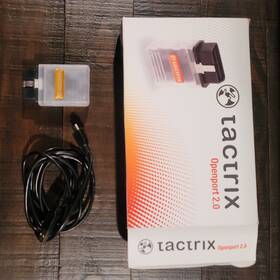
( Brand: Opensource ), ( Manufacturer Part Number: OP2.0 ), ( Part Type: Device Cable ), ( Supported System: Abs, Epb, Dpf, Srs, Sas ), ( Accessories: User Guide ), ( Vehicle Type: Passenger Vehicle ), ( Obd Interface: Obdii, Can )
Review OPENSOURCE Openport 2.0 Scanner Device And Cable
The **OpenPort 2.0 (OP2.0)** is a groundbreaking, open-source OBD-II scanner and diagnostic cable designed to empower automotive enthusiasts, developers, and professionals with unparalleled access to vehicle diagnostics. Unlike proprietary tools that lock users into closed ecosystems, the OpenPort 2.0 leverages the latest advancements in open-source firmware and hardware to create a fully customizable, cost-effective, and highly versatile OBD-II interface. Built around a robust microcontroller and a high-speed USB connection, this device seamlessly communicates with a wide range of vehicles adhering to the OBD-II standard, including those following ISO 15031-3, ISO 14229-1 (UDS), and SAE J1979 protocols. Its modular design allows for easy integration with third-party software, enabling users to develop their own diagnostic applications, log data in real-time, or interface with existing tools like Torque, OBD Fusion, or custom Python scripts. The OpenPort 2.0 supports a comprehensive suite of diagnostic functions, including real-time PID monitoring, fault code retrieval (DTCs), live data streaming, and even advanced features like extended diagnostics (EOD) and enhanced network access (ENA) for vehicles with complex communication protocols. Whether you're a hobbyist troubleshooting engine issues, a developer prototyping automotive applications, or a researcher analyzing vehicle behavior, the OpenPort 2.0 provides the flexibility and transparency to unlock the full potential of your vehicle s onboard systems. With its open-source nature, the community continuously contributes improvements, ensuring compatibility with emerging vehicle technologies and expanding its functionality over time. The device s compact, durable build makes it ideal for both workshop and on-the-go diagnostics, while its open firmware allows for deep customization from adding new protocol support to optimizing performance for specific use cases. By choosing the OpenPort 2.0, users gain not just a diagnostic tool, but a gateway to the future of open automotive technology.
### **Pros and Cons of buying a OpenPort 2.0 (OBD-II Scanner Cable)**
#### **Pros:**1. **Open-Source and Customizable** The OpenPort 2.0 is based on open-source software (OBD-X), allowing users to modify firmware, write custom applications, and extend functionality beyond standard OBD-II diagnostics. This makes it ideal for developers, hobbyists, and advanced users who want full control over their diagnostic tool.
2. **Low Cost** Compared to commercial OBD-II scanners (such as Launch X431, Autel MaxiCOM, or ELM327-based devices), the OpenPort 2.0 is significantly cheaper, making it accessible for budget-conscious users who still need advanced capabilities.
3. **Supports Multiple Protocols** It handles a wide range of OBD-II protocols (ISO 9141-2, ISO 14230-4 KWP, ISO 15765-4 CAN, SAE J1850 PWM, SAE J1850 VPW, and ISO 10487), ensuring compatibility with most modern vehicles.
4. **No Subscription Fees** Unlike some commercial scanners that require paid updates or subscriptions for full functionality, the OpenPort 2.0 relies on open-source tools that are free to use and update.
5. **Community and Developer Support** Being open-source, it benefits from an active community (e.g., GitHub, forums) where users share custom scripts, troubleshooting tips, and new features. This can be invaluable for solving unique diagnostic challenges.
6. **Portable and Compact** The device is small and lightweight, making it easy to carry and connect to vehicles without bulkiness.
7. **Works with Linux, Windows, and macOS** Unlike some proprietary scanners that are Windows-only, the OpenPort 2.0 is cross-platform compatible, allowing users to run diagnostics on their preferred operating system.
8. **Potential for Advanced Use Cases** Beyond basic OBD-II diagnostics, users can write custom applications for logging, data analysis, or even integrating with IoT devices for remote monitoring.
---
#### **Cons:**1. **Steep Learning Curve** The open-source nature means users must have at least basic technical knowledge to set it up, configure software, and troubleshoot issues. Beginners may find it overwhelming compared to plug-and-play commercial scanners.
2. **Limited Manufacturer Support** Since it is open-source, there is no official customer support from a single vendor. Users must rely on community forums, documentation, or self-help resources, which can be frustrating for those who need immediate assistance.
3. **No Guaranteed Compatibility with All Vehicles** While it supports most OBD-II protocols, some manufacturers may implement proprietary extensions or security measures that limit functionality. Users may still encounter vehicles that don t fully comply with standard OBD-II protocols.
4. **Requires Additional Software** Unlike all-in-one commercial scanners that bundle diagnostic software, the OpenPort 2.0 typically requires users to install and configure additional tools (e.g., OBD-X, Torque, or custom scripts), which can add complexity.
5. **Potential for Hardware Issues** Being a DIY or community-driven product, there is a risk of receiving a faulty unit or encountering hardware inconsistencies across batches. Users should verify the seller s reputation before purchasing.
6. **No Warranty or Refunds (from Some Sellers)** Many sellers of the OpenPort 2.0 offer no official warranty or easy refund policies. Buyers should research thoroughly to ensure they are purchasing from a reputable source.
7. **Slower Development Cycle** Since it relies on community contributions, new features or fixes may take longer to implement compared to commercial products with dedicated development teams.
8. **Not Ideal for Professional Diagnostics** Mechanics or professionals who need rapid, reliable, and user-friendly diagnostics may find commercial scanners more practical despite their higher cost.
---
### **Conclusion and Recommendation**
The **OpenPort 2.0 is an excellent choice for:**- **Hobbyists, developers, and tech-savvy users** who want a customizable, low-cost OBD-II tool with full control over their diagnostics.
- **Those interested in open-source projects** and willing to invest time in learning and troubleshooting.
- **Users who need cross-platform compatibility** and don t mind configuring software themselves.
- **Budget-conscious buyers** who prioritize functionality over ease of use.
However, it is **not ideal for:**- **Beginners** who want a simple, plug-and-play diagnostic tool.
- **Professionals or mechanics** who require quick, reliable, and supported solutions.
- **Users who expect manufacturer-backed warranties or customer service.**
#### **Final Recommendation:**If you are comfortable with technical setups, enjoy tinkering, and want a powerful yet affordable OBD-II tool, the **OpenPort 2.0 is a strong choice**. Pair it with resources like the OBD-X documentation (https://github.com/obd-x/obd-x) and community forums to maximize its potential.
For most casual users or professionals, a **commercial OBD-II scanner** (e.g., ELM327-based readers with Torque, or mid-range tools like the **Launch Tech2, Autel MaxiCOM K-Pro, or Vgate V918**) may offer a better balance of ease of use and reliability.
Always **verify the seller s reputation** before purchasing to ensure you receive a functional unit.
Details:
Used on my Impress and works great. Subaru OBD2 Scanner, for openport 2.0. Open-source, genuine part, not a clone. Diagnostics scanner.
specifications codereadescanne:
- brand: Opensource
- mpn: Op2.0
- part type: Device Cable
- supported system: Abs, Epb, Dpf, Srs, Sas
- accessories: User Guide
- vehicle type: Passenger Vehicle
- obd interface: Obdii, Can
offer codereadescanne:
- availability: In Stock
- best offers: True
- sold: 0
- started: March 24, 2026
- quantity: 1
- options: Ship-to-home
payments codereadescanne:
- wallet: Google-pay
- credit card: Visa
- other
shipping codereadescanne:
- class: Standard
- transit: 3-7 Days
- service: USPS Ground Advantage
- cost: $6.20
- type: Calculated
- carrier: USPS
general codereadescanne:
- Automotive Tools Supplies > Diagnostic Service Tools > Code Readers Scanners
- condition: Used
seller codereadescanne:
- city: Detroit Lakes, Minnesota
- # reviews: 29
- rating: 100.0%
returns codereadescanne:
- policy: No Returns
